

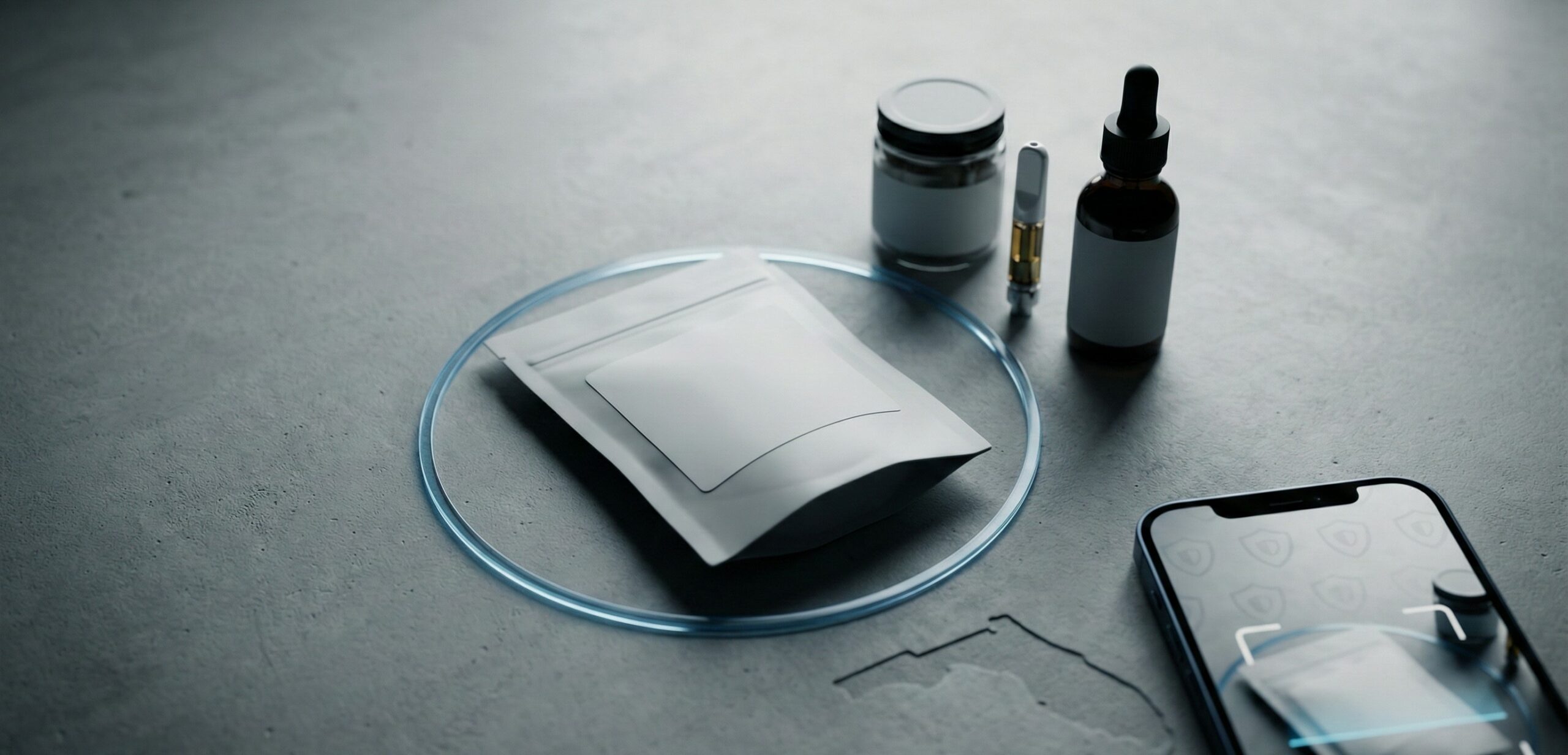
What the new federal 0.4 mg THC-per-container cap could mean for CBD gummies, Delta-8, and THCA in Miami
If you shop for hemp products in Miami, you have probably noticed the vibe has shifted. More rules. More talk about “crackdowns.” More confusion around what is legal today versus what might change next year.
This guide keeps it simple:
- What Florida already requires right now
- What the new federal change says (and when it is scheduled to start)
- What this could mean for the products people actually buy (CBD gummies, Delta-8, THCA flower/vapes)
- What to look for on labels and COAs so you do not get stuck guessing
If you want a simple baseline first, start here: The 0.4 mg THC per container rule explained
Quick answer
A federal change passed in late 2025 narrows what counts as “hemp” under federal law and adds a strict finished-product limit: final hemp-derived cannabinoid products could be excluded from “hemp” if they contain more than 0.4 mg of total THC per container (the retail package). The change is scheduled to take effect on November 12, 2026. (Source:congress.gov)
That does not automatically mean every product disappears tomorrow. Florida already has its own rules that apply today, and the next year is likely to include updates, guidance, and brand reformulations.
Timeline: what is happening and when
Now (Florida rules apply today):
Florida already regulates hemp extract sold in the state with strict container, labeling, and COA requirements, plus a 21+ rule for ingestible/inhalable hemp extract products.
Next (federal change is scheduled):
The federal hemp definition update is scheduled to take effect November 12, 2026.
In between (the messy middle):
This is where most confusion lives. Companies adjust formulas. Labels change. Some products get pulled early to reduce risk. Rules get interpreted. Agencies publish lists and guidance. Expect movement. (Source:- congress.gov)
Florida rules that matter in real life (Miami shoppers should know these)
Florida is not a “wild west” state for hemp extract. Even before the federal change takes effect, Florida already requires consumer-friendly compliance basics that you can actually check in your hand.
Here are some key Florida expectations for hemp extract products sold in the state:
1) COA access is not optional
Florida requires hemp extract products sold in a container that includes a scannable QR code (or barcode) linked to the Certificate of Analysis (COA) for that batch, along with the batch number and a website where batch info can be obtained. (Source (Florida statute):www.leg.state.fl.us)
Shopper tip: If you cannot scan a QR code and quickly find a COA that matches the batch number, treat that as a red flag.
2) The label should list cannabinoids per serving
Florida requires the container to list the milligrams of each marketed cannabinoid per serving.
Shopper tip: If a gummy package screams a cannabinoid on the front but the back label is vague or missing mg per serving, that is a problem.
3) Packaging rules are strict (and enforcement is real)
Florida rules focus heavily on not being attractive to children, plus child-resistant packaging and other packaging and labeling standards.
Shopper tip: If something looks like candy for kids, that is the exact style Florida has been targeting.
4) 21+ for ingestible/inhalable hemp extract products
Florida restricts sales of hemp extract products intended for ingestion or inhalation to 21+.
(Rule summary: www.law.cornell.edu)
(FDACS packaging resources (PDF): www.fdacs.gov)
Shopper tip: If a store does not take age seriously, be careful. That is not the direction Florida has been going.
What the federal 0.4 mg THC-per-container cap is actually saying
This part is easy to misunderstand because it is not the same as the older “0.3%” hemp talking point.
“Per container” means the retail package you buy
Think: the jar, bag, bottle, box, can, cartridge package. Not “per gummy” and not “per serving.”
So if a product has 30 gummies in a bag, the cap is about the whole bag (the container), not one gummy. (Source: congress.gov)
“Total THC” is the key phrase
The federal change uses a broader idea of THC than just delta-9 on a label. It points toward total THC, and discussions around this topic often include THCA in that conversation because THCA can convert to THC with heat. (Source (legal analysis): congress.gov)
Why this hits different than “0.3% hemp”
A product can sometimes fit a percentage limit by weight and still contain more total THC in the full container than people expect, especially when you look at finished products.
That is why you see so much concern around gummies, drinks, and flower.
What this could mean for common product types in Miami
This is not a promise about what any agency will do. It is a practical “here is why people are worried” explanation.
1) CBD isolate gummies (usually the safest fit)
CBD isolate products are often designed to be THC-free (or extremely close). In a world where the finished-product THC cap is extremely low, isolate formats tend to be the easiest for brands to keep within strict limits.
What you should still check:
- COA matches the batch number
- cannabinoid mg per serving is clear
- no weird, unclear “proprietary blend” labeling
2) Full-spectrum CBD gummies (the “trace THC” issue)
Full-spectrum CBD can include small amounts of THC. Many shoppers like full-spectrum because they want a more “whole plant” profile.
The problem is simple math: when a container-level THC cap is extremely low, “trace” can add up across an entire bag or bottle depending on formulation and batch results.
What to watch:
- COA THC numbers (not just CBD)
- consistency across batches
- whether the brand is reformulating or changing serving sizes
3) Broad-spectrum gummies (often positioned as a middle path)
Broad-spectrum is usually marketed as “no THC” or “THC removed,” but you still want to verify the COA, because the label phrase alone is not the proof.
What to watch:
- COA showing non-detect or very low THC values
- a clean ingredient list and clear serving size
- child-resistant, compliant packaging
4) Delta-8 products
Delta-8 is often produced through conversion processes rather than simply being extracted as-is from the plant in high amounts. Federal language around cannabinoids “manufactured outside the plant” is why Delta-8 gets pulled into these conversations so fast.
What to watch:
- COA transparency (including full panel testing)
- brands that clearly explain source and testing
- sudden product availability changes as 2026 moves forward
5) THCA flower and THCA vapes (the big question mark)
THCA products sit in the center of the “total THC” conversation because THCA can convert into THC with heat.
That does not automatically answer every legal question by itself, but it explains why THCA is likely to remain a hot category for regulation talk in 2026.
What to watch:
- COA showing THCA and THC
- consistent batch reporting
- packaging and marketing that is not youth-appealing
6) Hemp THC drinks (often impacted the most)
Drinks usually come as a single container (one can, one bottle). If a per-container cap is strict, beverages can run into issues fast because there is less “splitting across servings” in a way that matters under a container-level limit.
What to watch:
- mg per container labeling clarity
- COA that clearly matches the product
The Miami shopper checklist (simple, practical, and worth doing)
If you buy hemp products in Miami, this is the boring routine that saves headaches.
Before you buy
- Check for a QR code on the container.
- Scan it and confirm you can reach the COA in a simple path.
- Confirm the batch number on the package matches the COA.
On the label
- Look for mg per serving for the cannabinoids being marketed.
- Look for an expiration date.
- Avoid anything that looks like it is designed to grab kids’ attention.
On the COA
- Confirm the lab name and date.
- Check cannabinoids (CBD, delta-9 THC, THCA if listed, and anything else the product is marketing).
- Check contaminant testing (basic safety panels).
- If numbers look missing or cropped, skip it.
What brands and stores will likely do during 2026
You will probably see some combination of:
- reformulated products (especially full-spectrum gummies and drinks)
- new packaging (more child-resistant, less flashy)
- more “isolate” and “broad-spectrum” options
- shorter product runs while guidance gets clearer
- more focus on COA transparency because that is the easiest trust signal customers can verify
This is normal in a category that is being actively tightened.
FAQ
Is this a “ban”?
Most of the time, it is more accurate to say “a tighter definition and a stricter limit that could make many products non-compliant as written.” It is still fair to expect changes in what is sold, how it is formulated, and how it is labeled.
When does the federal 0.4 mg per container change start?
As scheduled today: November 12, 2026. That date matters because it is one year after enactment. (Source: www.congress.gov)
Does this affect CBD gummies?
It can, especially full-spectrum gummies if the finished product ends up with more total THC per container than allowed. Isolate and carefully made broad-spectrum products tend to fit strict caps more easily.
Does Florida already require QR code COAs?
Yes. Florida requires hemp extract products sold in the state to include a scannable code linked to the COA and other container details. (Source: www.leg.state.fl.us)
Are Delta-8 and THCA treated the same?
Not exactly. They are often discussed together because both sit in “hot” areas of regulation, but the reasons are different. Delta-8 is often tied to “manufactured outside the plant” discussions. THCA is tied to “total THC” and conversion conversations.
What is the safest way to shop right now?
Buy from places that take compliance seriously, show COAs clearly, and sell products with transparent labeling and responsible packaging.
Bottom line
Florida already expects hemp extract products to be sold with traceable COAs, clear labeling, and responsible packaging, and enforcement has been moving in a stricter direction. The upcoming federal change adds another layer, with a finished-product THC cap that is so low it could reshape what is available nationwide once it takes effect in November 2026.
If you want one habit that actually helps: scan the COA and match the batch number. That one step cuts through most of the noise.